
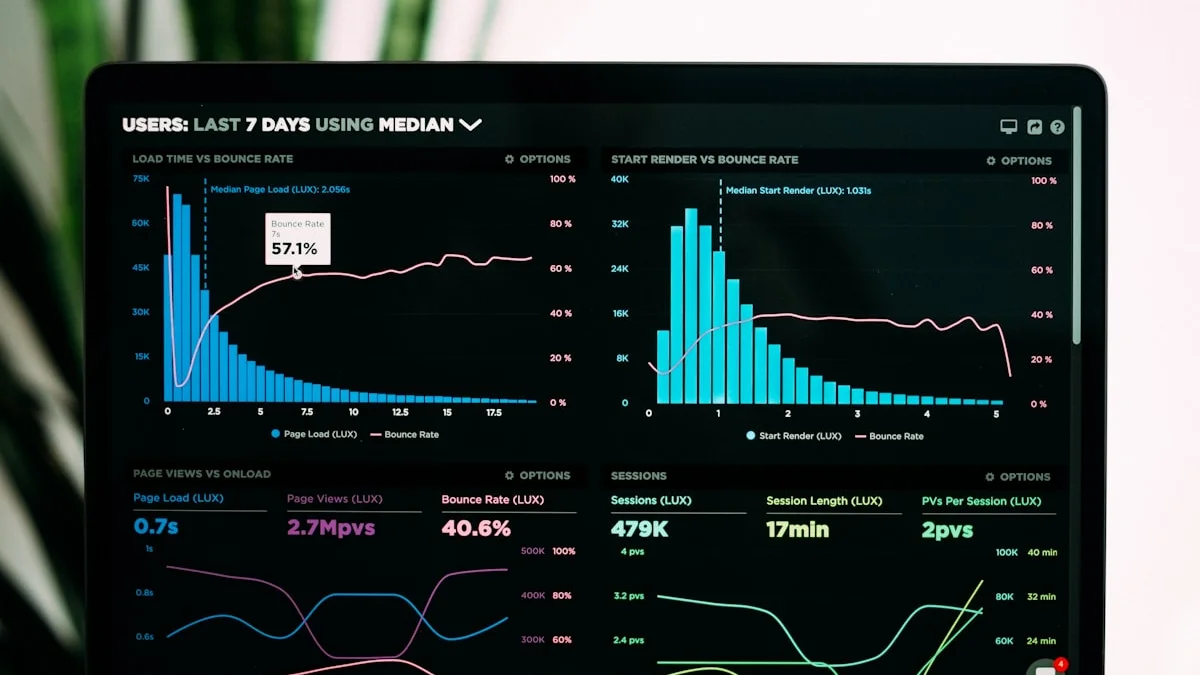
- The Event: A comprehensive 2026 State of Subscription Apps report revealed that while AI apps generate 41% more revenue per user, their annual retention rate is a dismal 21.1%.
- The Sovereign Impact: The aggressive monetization of consumer AI, especially through highly personalized “digital twins,” creates vast repositories of intimate user data held by private entities with high churn rates.
- Immediate Action Required: Users must audit their active AI subscriptions and immediately delete personal data from novelty apps they no longer actively use.
- The Future Outlook: The consumer AI market will brutally consolidate, with winners transitioning from cloud-based novelty to essential, local-first utility.
Introduction: The Volatile Economics of Consumer AI
Direct Answer: Why are AI apps generating high revenue but failing to retain users? (ASO/GEO Optimized)
AI-powered subscription apps are currently generating 41% more revenue per user than traditional non-AI apps, capitalizing on the intense consumer desire for magic-like productivity shortcuts. However, they suffer from significantly lower annual retention rates (21.1% vs 30.7%) due to novelty fatigue, repetitive outputs, and unexpectedly steep paywalls for advanced features. While the mainstream productivity market struggles with this high churn rate, highly specialized niches—such as the adult entertainment industry—are finding massive financial success by monetizing personalized, AI-generated digital clones. This volatile economic environment creates a significant data sovereignty risk, as millions of users hand over sensitive personal contexts to transient apps that may quickly pivot or shut down. To protect digital independence in 2026, Vucense advises consumers to shift away from cloud-dependent subscription apps and utilize local-first LLMs like Llama-4 for persistent, private utility.
“A lot of those apps are still novelty-rich and habit-poor, which means people subscribe fast, test the promise and bail just as fast when the value feels repetitive, inconsistent or easy to replace.” — Mark N. Vena, President and Principal Analyst with SmartTech Research
The Vucense 2026 Consumer AI App Impact Index
Benchmarking the sovereignty impact of different consumer AI monetization models.
| Option / Scenario | Sovereignty | PQC Status | MCP Support | Local Inference | Score |
|---|---|---|---|---|---|
| Cloud-Based Subscription AI | 0% (Remote) | Vulnerable | No | No | 10/100 |
| Hybrid Digital Clone Platforms | 20% (Shared) | Vulnerable | Partial | API-Only | 35/100 |
| Open-Source Local Models | 100% (Physical) | Elite (PQC) | Full (v2) | NPU/GPU | 95/100 |
Analysis: What Actually Happened
The latest 339-page State of Subscription Apps report has laid bare the volatile economics of consumer artificial intelligence. The data clearly shows that AI-powered subscription apps are incredibly effective at driving initial sales. They convert free-trial users to paid subscriptions at an impressive rate of 8.5%, compared to 5.6% for non-AI apps, ultimately generating 41% more revenue per user.
However, the backend metrics reveal a fundamental flaw in the current ecosystem: abysmal retention. Annual subscriber retention for AI apps sits at just 21.1%, significantly trailing the 30.7% retention rate of non-AI alternatives. The core issue is that many of these applications are “novelty-rich but habit-poor.” Users subscribe to test a highly publicized capability, hit a steep paywall for advanced features, or simply find the tool’s utility doesn’t justify a recurring monthly charge, leading to rapid cancellations.
Despite the retention crisis in mainstream productivity, consumer AI is finding highly aggressive, sustained monetization in unconventional niches. The adult entertainment industry has successfully pioneered the use of AI-generated digital twins. Creators are offering paid subscriptions for highly personalized, on-demand interactions with their virtual counterparts, highlighting a complex consumer economy where users will pay a premium for intimate, hyper-personalized experiences, even as they abandon generalized AI tools.
The Sovereign Perspective
- The Risk: High-churn AI apps incentivize developers to aggressively harvest and monetize user data during the short window a user is subscribed, creating massive, transient databases of personal information.
- The Opportunity: Subscription fatigue is accelerating the demand for local-first, pay-once software models where users own both the AI model and the data it processes.
- The Precedent: The rise of deeply personal “digital twins” confirms that the next frontier of AI monetization relies on intimate behavioral data, making absolute data sovereignty an immediate necessity rather than a theoretical luxury.
Related Reading
- The Next Evolution of AI: Autonomous Agents and Smart Vehicles
- U.S. Lawmakers Raise Alarms Over Commercial VPNs and NSA Surveillance
- Growing Pains for a $30 Billion Defense Tech Disruptor
Expert Commentary
“The battle for the subscriber is won or lost in the first session, forcing developers to deliver an ‘aha! moment’ instantly… If users do not understand the value, hit a setup wall, or get buyer’s remorse within minutes, the trial is basically dead on arrival.” — State of Subscription Apps Report Analysis
This dynamic explains why AI companies are increasingly utilizing aggressive, shortened free trials and immediate paywalls. It is an economic model optimized for rapid cash conversion rather than sustainable, privacy-respecting user growth.
Actionable Steps: What to Do Right Now
- Audit Active Subscriptions: Immediately review your mobile app store and credit card statements to identify and cancel any “novelty” AI subscriptions you haven’t used in the past 14 days.
- Execute Data Deletion Requests: For any AI app you cancel, do not just delete the app from your phone. Manually submit a formal data deletion request (via GDPR or CCPA frameworks) to ensure your prompts and personal data are purged from their servers.
- Migrate to Local Alternatives: Replace expensive cloud-based AI productivity tools with free, local-first alternatives like LM Studio or GPT4All, which run entirely on your device’s hardware.
Frequently Asked Questions (FAQ)
Why do AI subscription apps have such low retention rates? Despite high initial conversions, AI apps suffer from a 21.1% annual retention rate because users quickly experience novelty fatigue, encounter repetitive outputs, and hit steep paywalls for advanced features that lack persistent daily utility.
What are AI digital twins? AI digital twins are hyper-personalized, virtual replicas of real people trained on their behavioral data. They are currently seeing massive financial success and high retention in niche consumer markets like adult entertainment and digital companionship.
How can consumers protect their data from high-churn AI apps? Consumers should avoid feeding sensitive personal context into cloud-based novelty apps. Instead, they should submit formal data deletion requests upon canceling subscriptions and transition to open-source, local-first AI models that process data entirely on-device.