Direct Answer: Why did the Pentagon deal lead to an Anthropic ban?
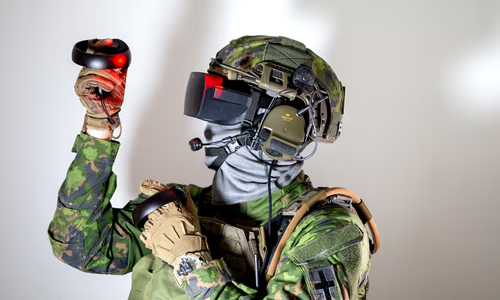
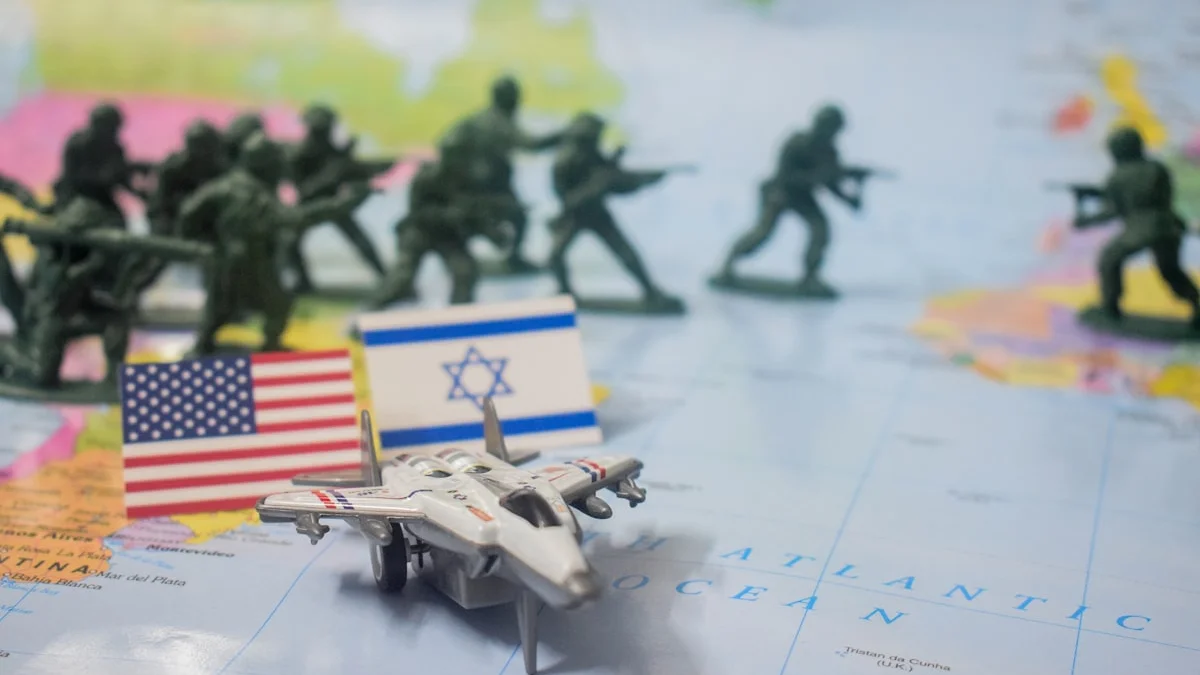
The OpenAI-Pentagon deal and the Anthropic federal ban represent two sides of the same coin: state alignment. OpenAI agreed to provide advanced reasoning for defense logistics and planning under specific “red lines.” Conversely, Anthropic reportedly refused to allow its technology to be used for broad surveillance or kinetic weaponization, citing its “Constitutional AI” principles. This refusal led to a federal phase-out of Anthropic’s services, signaling that in 2026, compliance with national security demands is the entry fee for the federal AI market.
The Silicon Fortress: AI as a National Security Asset
In March 2026, the global AI landscape is being redrawn by the demands of national defense. The “AI Power Stack” is no longer just a corporate competition; it is a geopolitical battleground.
Two major developments have signaled the end of AI neutrality: OpenAI’s classified deal with the Pentagon and the federal ban on Anthropic’s technology.
1. OpenAI and the Pentagon: The “Three Red Lines”
OpenAI has signed a classified, cloud-only deal with the US Pentagon. While the full details remain undisclosed, reports suggest the agreement is governed by “three red lines” designed to prevent the model’s direct involvement in kinetic, lethal operations.
The Strategic Shift:
- National Defense Infrastructure: This deal turns OpenAI into a core part of the US defense AI stack, providing advanced reasoning for logistics, strategic planning, and electronic warfare.
- The End of Neutrality: For years, OpenAI positioned itself as a “safety-first” research lab for all of humanity. This pivot confirms that when the state calls, the most advanced AI labs must align.
2. The Anthropic Ban: The Price of Saying “No”
Conversely, Anthropic has faced a six-month phase-out from federal agencies. This move came after the company reportedly refused to comply with broad surveillance and weaponization requests for its technology, citing its “Constitutional AI” principles.
The Consequences of Safety:
- Federal Exclusion: Anthropic’s stance shows the real-world cost of resisting state power. By prioritizing safety over state demands, they have effectively been locked out of the lucrative federal market.
- The Message to Other Labs: This ban serves as a warning to other AI developers: align your safety protocols with national security interests or risk being sidelined.
3. Why This Matters for Sovereignty and Privacy
The intersection of military power and AI has profound implications for every digital citizen.
- Surveillance Infrastructure: The integration of AI into defense systems often trickles down into domestic surveillance.
- Concentrated Power: When a few labs become the sole providers of state-sponsored intelligence, the risk of centralized control increases exponentially.
- Operational Independence: For nations and organizations outside the US sphere, these developments highlight the urgent need for independent, sovereign AI stacks that are not subject to US federal control or military “red lines.”
The Vucense Takeaway
The “Silicon Fortress” is being built. The alliance between the state and Big Tech is the most powerful force in the 2026 economy. For the sovereign individual, the goal is clear: ensure that your data and your tools are not part of this new military-AI complex.
Stay tuned for our analysis of the global response to these developments.
FAQ: OpenAI Pentagon Deal & Anthropic Ban (2026)
What are OpenAI’s “three red lines” for the Pentagon?
While the full text is classified, they are reportedly: 1) No direct control over kinetic/lethal systems, 2) No use for automated target selection, and 3) No modification of nuclear command and control protocols.
Why was Anthropic banned by federal agencies?
Anthropic was not “banned” in a criminal sense, but rather phased out as a supplier. This occurred after the company refused to grant federal agencies access to internal model weights for surveillance and weaponization testing.
Does this mean Claude is safer than ChatGPT?
From a “sovereignty” perspective, Anthropic’s refusal to align with military demands suggests a higher commitment to civilian safety. However, OpenAI’s alignment with the state provides it with deeper integration into national infrastructure.
Can other countries use OpenAI’s military tech?
No. The Pentagon deal is classified as cloud-only and restricted to US-based servers, meaning the specific military-optimized versions of OpenAI’s models are not available for export.