Quick Answer: OpenClaw is a 2026 breakthrough in open-source AI, offering a local-first architecture for autonomous agents. Unlike cloud-based systems, OpenClaw processes data and executes workflows directly on your hardware, providing a Sovereign AI experience that is private, fast, and immune to the whims of Big Tech.
The 250,000 Star Milestone: Why OpenClaw Matters
In April 2026, the technology community witnessed a historic moment. OpenClaw, the autonomous AI agent framework, surpassed 250,000 stars on GitHub. This isn’t just a popularity contest; it’s a signal of a massive shift in how we build and deploy artificial intelligence.
For years, we’ve been told that “Intelligence requires the Cloud.” But as privacy concerns mount and the costs of centralized APIs skyrocket, OpenClaw has proven that the most powerful AI is the one that stays at home.
Part 1: The Local-First Revolution
1.1 Data Sovereignty by Default
The core of OpenClaw’s philosophy is Data Sovereignty. In a typical AI setup, every query and every bit of context is sent to a remote server. With OpenClaw, the “brain” of the agent—whether it’s a quantized Llama 4 or a specialized vision model—resides on your local machine. Your files, your passwords, and your private conversations never leave your perimeter.
1.2 Zero Latency, Infinite Reliability
Cloud-based agents are at the mercy of internet connectivity and API uptime. OpenClaw’s local-first design means your agents work even when you’re offline. Because the data doesn’t have to travel to a server in Virginia and back, the response time is near-instant, provided you have the right hardware (like the latest NPU-equipped chips).
1.3 Quantization and the Edge
OpenClaw has mastered the art of Quantization-Aware Training (QAT). It allows high-parameter models to run on consumer hardware without a significant drop in reasoning capability. This has turned standard workstations into “Sovereign AI Powerhouses.”
Part 2: Building Your Sovereign Agent with OpenClaw
Setting up an OpenClaw instance in 2026 is simpler than ever, but it requires a strategic approach to hardware and security.
2.1 The Hardware Stack
To get the most out of OpenClaw, we recommend:
- CPU: Minimum 8 cores with AVX-512 support.
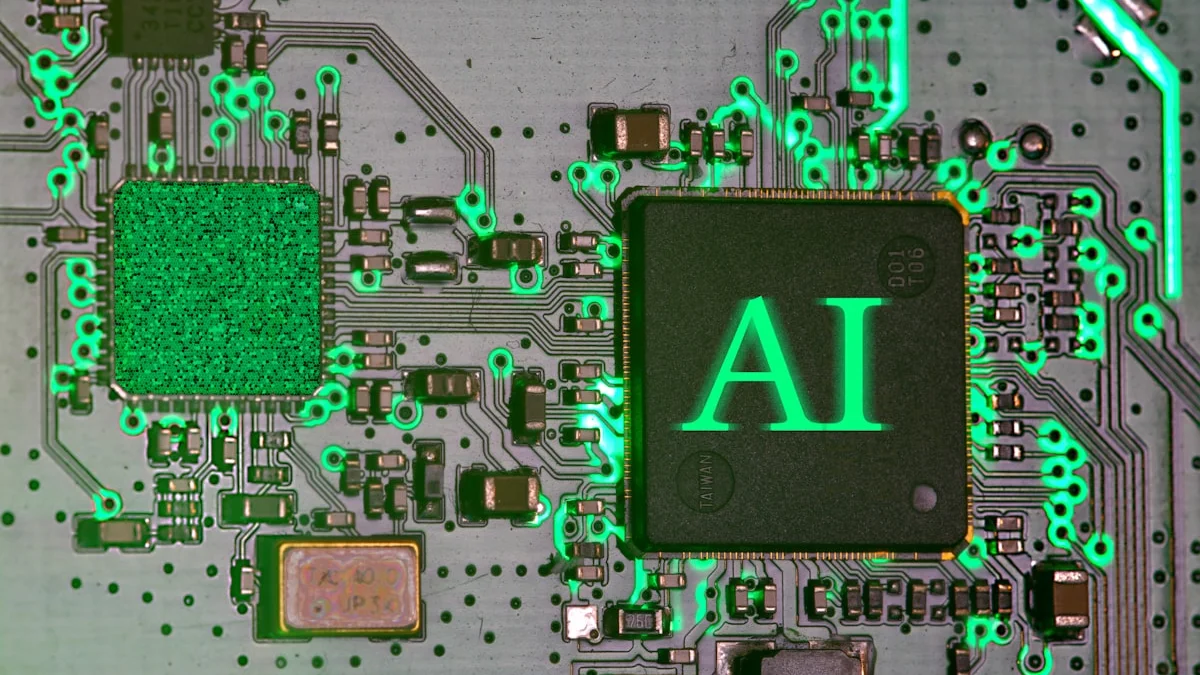
- GPU/NPU: 16GB+ VRAM for optimal inference speeds.
- Storage: NVMe SSD for fast model loading.
2.2 Security Configuration: Avoiding the “Shrimp” Vulnerabilities
While OpenClaw is inherently more private, a poorly configured local instance can still be a risk. Ensure you:
- Disable Remote Access: Keep the OpenClaw API bound to
localhostunless using a secure VPN. - Use Sandbox Containers: Run your OpenClaw agents in isolated environments (like Docker or Podman) to prevent them from accessing unauthorized files.
- Audit Your Models: Only download model weights from trusted sources (like verified HuggingFace repositories).
The Future of the Sovereign Web
OpenClaw is more than just a tool; it’s a blueprint. It shows that we don’t need to trade our privacy for the benefits of autonomous intelligence. As we move deeper into 2026, the “Local-First” model will become the standard for any developer who values digital independence.
At Vucense, we believe that the future of AI isn’t in the cloud—it’s in your hands.