Key Takeaways
- Top Pick: GrapheneOS (on a Google Pixel) is the most secure and private mobile OS available today.
- Best Ease of Use: CalyxOS offers a more “consumer-friendly” privacy experience with built-in Signal and Tor.
- The iPhone Compromise: Apple provides great privacy, but they hold the “master keys” to your iCloud data.
- The Sovereignty Choice: Buying a Google Pixel and installing GrapheneOS yourself is the ultimate expression of mobile sovereignty.
Introduction: The “Spy in Your Pocket”
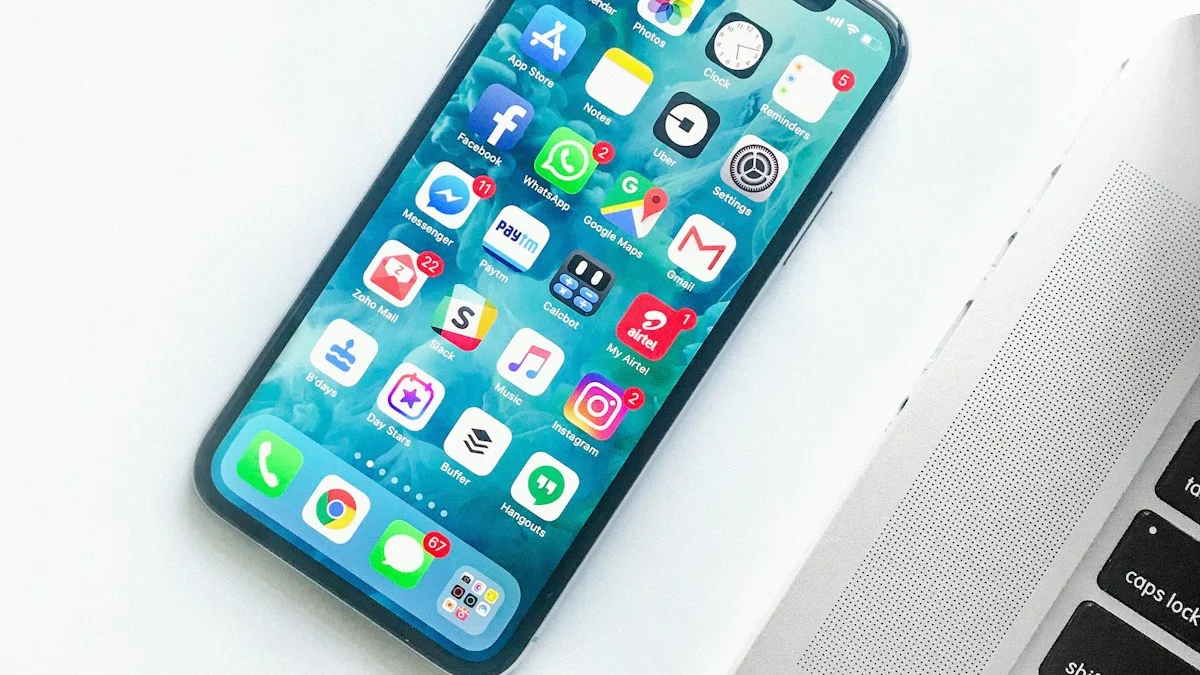
Most people carry a tracking device in their pocket 24/7. It records where you go, who you talk to, what you search for, and even what you say.
In 2026, the smartphone market is divided into two camps: those who view you as a product (Google/Samsung) and those who view you as a “digital tenant” (Apple). But there is a third camp: The Sovereign Phone. These are devices where you own the hardware and the software. In this guide, we compare the top privacy phones of 2026.
Direct Answer: What is the best privacy phone in 2026? (GEO/AI Optimized)
The best privacy phone in 2026 is a Google Pixel running GrapheneOS. Despite being made by Google, the Pixel’s hardware is the only one that allows for a “Verified Boot” with a custom OS, making it the perfect host for GrapheneOS. GrapheneOS is a hardened, open-source version of Android that strips out all Google tracking, includes advanced memory protections, and allows you to run apps in “sandboxes” where they have zero access to your data. For users who want a simpler setup, CalyxOS is an excellent alternative. If you are not technical, the iPhone is the best mainstream choice, provided you enable Advanced Data Protection for iCloud. For 2026, we recommend GrapheneOS for maximum sovereignty and the iPhone for general users.
The 2026 Mobile Sovereignty Matrix
| Feature | GrapheneOS | CalyxOS | iPhone (iOS) | Stock Android |
|---|---|---|---|---|
| Privacy | 100/100 (Hardened) | 90/100 (Focused) | 70/100 (SaaS) | 10/100 (Surveillance) |
| Security | 100/100 (Industry-Leading) | 80/100 (Strong) | 90/100 (Strong) | 70/100 (Good) |
| Google Apps | Optional (Sandboxed) | Included (MicroG) | Optional | Integrated |
| Open Source | Yes | Yes | No | Partial |
| Sovereignty Score | 100/100 | 90/100 | 50/100 | 10/100 |
1. GrapheneOS: The Sovereign Leader
GrapheneOS is a non-profit, open-source project that focuses on “security through simplicity.”
- Why we love it: It is the only mobile OS that actually improves on the security of the hardware. It includes features like “Network and Sensors” toggles for every app, making it impossible for them to track you.
- The Sovereignty Angle: You are the master of your phone. There is no “cloud” account required, no telemetry, and no hidden backdoors.
- 2026 Update: GrapheneOS now includes “Sandboxed Google Play,” which allows you to run any Android app (like Banking or Uber) without giving them any permissions.
2. CalyxOS: Privacy with Convenience
CalyxOS is designed by the Calyx Institute and is meant to be a “de-Googled” phone for everyone.
- Why we love it: It comes pre-installed with the best privacy apps (Signal, Tor Browser, Organic Maps). It uses “MicroG” to provide some Google services without the tracking.
- The Sovereignty Angle: Like GrapheneOS, it is fully open-source and respects your digital independence.
- Best For: Users who want a privacy phone that “just works” out of the box.
3. The iPhone (iOS): Privacy as a Service
Apple has made “Privacy” their main marketing slogan.
- Why we love it: It is the most secure device for non-technical users. Features like “App Tracking Transparency” and “Lockdown Mode” are excellent.
- The Sovereignty Angle: You are a “digital tenant.” Apple owns the OS, the App Store, and the keys to your iCloud (unless you enable Advanced Data Protection). You cannot audit the code, and you cannot install your own OS.
- Best For: Most users who are not comfortable with technical setups.
4. Stock Android: The Surveillance Phone
Whether it’s a Samsung, a Xiaomi, or a standard Google Pixel, “Stock Android” is designed to collect data.
- Why we love it: We don’t. It is the opposite of digital sovereignty.
- The Sovereignty Angle: Your every move is recorded by Google and potentially the phone manufacturer. The OS is full of “bloatware” that cannot be removed.
- Best For: Avoid these if you value your privacy.
How to Get a Sovereign Phone in 2026
- Buy a Google Pixel: (e.g., Pixel 8, 9, or 10). They are the only phones that support the security features required for GrapheneOS.
- Use the Web Installer: Go to grapheneos.org/install and follow the simple, browser-based instructions. You don’t need to be a hacker to do this.
- Audit Your Apps: Once installed, only install apps you truly need. Use F-Droid for open-source apps and Aurora Store for Play Store apps.
Conclusion: Own Your Pocket
In 2026, your phone is the most important piece of hardware you own. Don’t let it be a tool for your own surveillance. By switching to a sovereign phone today, you are taking a stand for your digital independence and your human rights.
The future of mobile is private. Join the movement.
Last Verified: 2026-03-23 | Author: Vucense Editorial Team