
Are You Checking Your Phone 80 Times a Day? Reclaiming Your Attention Span in 2026
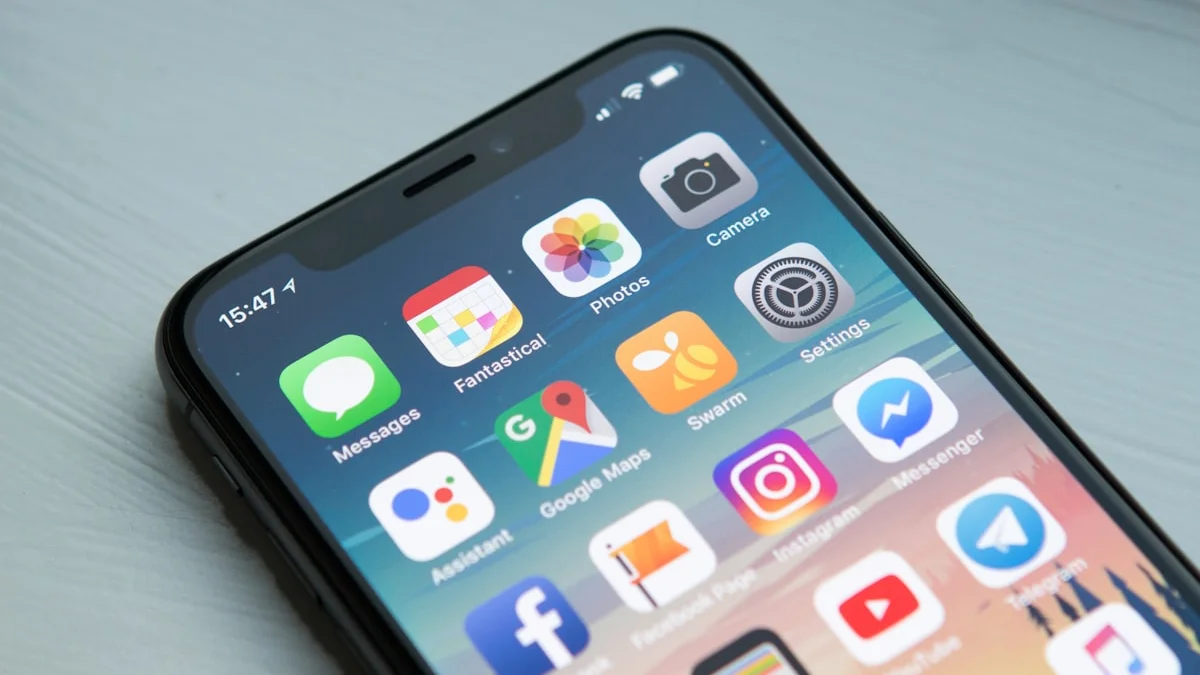
On April 2, 2026, a series of psychological reports have confirmed what many of us have felt for years: our collective attention span is in a state of emergency. According to leading psychologists, the average smartphone user now checks their device between 50 and 80 times a day.
This isn’t just about “staying connected.” It is a fundamental shift in how the human brain processes information, and it has profound implications for our Digital Sovereignty.
The Dopamine Loop: Why We Can’t Stop Scrolling
The apps on your phone are not neutral tools. They are “attention engines” designed by some of the world’s best psychologists and engineers to keep you engaged for as long as possible.
When you receive a like, a comment, or even just a news alert, your brain releases a small burst of dopamine—the chemical associated with reward and pleasure. Over time, your brain becomes addicted to these micro-rewards. If you don’t get them, you feel a sense of “digital itch” or anxiety, leading you to check your phone even when there’s no reason to.
Symptoms of Attention Decay
How do you know if your attention span is in danger? Look for these signs:
- The “Second Screen” Habit: You can’t watch a 30-minute TV show without checking your phone at least three times.
- Reading Difficulty: You find yourself re-reading the same paragraph of a book because your mind has wandered.
- Phantom Vibrations: You feel your phone vibrate even when it’s not in your pocket.
- Irritability: You feel frustrated or bored the moment you are forced to wait in a line without your device.
Digital Sovereignty as Mental Health
At Vucense, we often define Digital Sovereignty as the power to control your data. But in 2026, we must expand that definition to include Attention Sovereignty.
If an algorithm in a data center in Silicon Valley can decide what you look at, what you think about, and how you feel for six hours a day, do you really own your life? Reclaiming your attention is an act of rebellion against a system that profits from your distraction.
The Vucense Guide to a “Dopamine Detox”
The road to recovery isn’t about throwing your phone away; it’s about setting boundaries.
- The “20-Minute Rule”: If you feel the urge to check your phone, wait 20 minutes. Often, the urge will pass.
- Physical Distance: Keep your phone in another room while you work or sleep. If it’s not within arm’s reach, the “friction” of getting up is often enough to stop the habit.
- Analog Alternatives: Keep a physical book, a notepad, or a puzzle nearby. When you feel bored, reach for those instead of the screen.
The Vucense Perspective
We are living through a “War on Attention.” The winners are the companies that can keep you glued to their platforms. The losers are the individuals who lose their ability to think deeply, create original work, and maintain meaningful relationships.
Your attention is your most precious resource. Don’t let an algorithm spend it for you.
Stay focused. Stay sovereign.