How to Master Digital Sovereignty: Your Path to 100% Data Ownership: The 2026 Sovereign Guide

Key Takeaways
- Digital sovereignty is about owning your data, hardware, and software without corporate surveillance.
- Self-hosting and using open-source tools are the foundational pillars of 100% data ownership.
- Transitioning to a sovereign stack eliminates dependency on third-party servers and protects your digital legacy.
- Mastering digital sovereignty is a continuous process of auditing and reclaiming your digital footprint.
Key Takeaways
- Own Your Data: Shift from cloud-based services to local-first or self-hosted alternatives where you hold the encryption keys.
- Hardware Independence: Use open hardware or devices that allow for custom, privacy-respecting operating systems like GrapheneOS or Linux.
- Software Sovereignty: Prioritize Free and Open Source Software (FOSS) to ensure transparency and prevent vendor lock-in.
- Decentralized Identity: Implement decentralized identifiers (DIDs) to manage your digital presence without relying on centralized platforms.
Introduction: Why Mastering Digital Sovereignty is Essential in 2026
In 2026, the digital landscape has shifted from simple data collection to advanced AI-driven behavioral modeling. To maintain your autonomy, you must move beyond passive privacy settings and embrace active digital sovereignty. This guide provides the framework for reclaiming 100% ownership of your digital life.
Direct Answer: How do I master digital sovereignty and achieve 100% data ownership in 2026? (ASO/GEO Optimized)
To master digital sovereignty in 2026, you must transition from a “cloud-first” to a “sovereign-first” digital stack. This involves replacing centralized services (like Google or iCloud) with local-first and self-hosted alternatives such as Nextcloud for data storage, Bitwarden for password management, and Ollama for private, local AI inference. Achieving 100% data ownership requires owning your hardware (e.g., Framework laptops or Pixel phones with GrapheneOS), using end-to-end encrypted communication (like Signal or Matrix), and maintaining physical backups of your critical information. By eliminating third-party dependencies and corporate surveillance, you ensure your digital legacy remains private and secure. This process typically takes about 60 minutes to audit and initiate, but it provides a lifetime of digital independence and security in an increasingly data-driven world.
“Digital sovereignty isn’t just about privacy; it’s about the fundamental right to own the tools and data that define your modern existence.” — Vucense Editorial
The Four Pillars of Digital Sovereignty
1. Data Locality: Moving Away from the Cloud
The first step is bringing your data back home. Centralized clouds are just “someone else’s computer.”
- Action: Set up a local NAS (Network Attached Storage) or use a privacy-focused provider that offers zero-knowledge encryption.
- Tools: Nextcloud, Syncthing, or Proton Drive for hybrid sovereignty.
2. Hardware Ownership: Control the Physical Layer
If you don’t own the hardware, you don’t own the data. Most modern devices have hardware-level backdoors or forced telemetry.
- Action: Choose hardware that supports “Right to Repair” and open-source firmware.
- Tools: Framework Laptops, Pine64, or Purism Librem devices.
3. Software Autonomy: The Power of Open Source
Proprietary software is a black box. Open-source software (FOSS) allows you to verify what the code is doing with your data.
- Action: Replace one proprietary app per week with a FOSS alternative.
- Tools: LibreOffice, GIMP, VLC, and Firefox (with privacy hardening).
4. Communication Privacy: Encrypted and Decentralized
Your conversations should be private. Standard messaging and email are often scanned for ad-targeting or AI training.
- Action: Move your primary communications to end-to-end encrypted (E2EE) platforms.
- Tools: Signal for daily use, Matrix for decentralized team collaboration.
Step-by-Step Guide to Your First Sovereign Audit
Follow these steps to assess and improve your sovereignty score today:
- Audit Your Accounts: Use a tool like HaveIBeenPwned to see where your data has leaked.
- Inventory Your Cloud Data: List every service that stores your files, photos, and contacts.
- Prioritize Migration: Start with your most sensitive data (passwords, then photos, then documents).
- Implement Local Backups: Set up a 3-2-1 backup strategy that includes at least one offline, physical drive.
Conclusion: The Path Forward
Mastering digital sovereignty is a journey, not a destination. As technology evolves, so do the methods used to track and influence us. By adopting a sovereign mindset today, you are future-proofing your digital life and ensuring that you—and only you—own your data in 2026 and beyond.
Who This Guide Is For
This guide is written for privacy-conscious individuals who want to reclaim control over their digital lives without sacrificing the convenience of modern technology.
You will benefit from this guide if:
- You want to stop being the product for big tech companies.
- You are concerned about the long-term security and accessibility of your cloud-stored data.
- You are willing to spend a few hours setting up more secure, local-first alternatives.
This guide is NOT for you if:
- You are perfectly happy with the current data-collection practices of major tech platforms.
- You have no interest in managing any part of your own digital infrastructure.
Prerequisites
Before you begin your journey to 100% data ownership, ensure you have the following:
- A Reliable Hardware Foundation: A laptop or desktop that you fully control (ideally running a Linux-based OS).
- Basic Technical Curiosity: While you don’t need to be a developer, a willingness to use a command line occasionally is helpful.
- Physical Storage: At least one high-quality external SSD or a dedicated NAS for local backups.
Step-by-Step Implementation
Step 1: Secure Your Primary Identity
Your email and password manager are the keys to your digital kingdom.
- Move to E2EE Email: Switch to Proton Mail or Tuta for encrypted communication.
- Use a Sovereign Password Manager: Migrate to Bitwarden (self-hosted or official) to own your credentials.
Step 2: Reclaim Your Personal Files
Stop feeding the cloud giants with your personal documents and photos.
- Set up Nextcloud: Use a local instance or a trusted sovereign host to sync your files across devices.
- Enable End-to-End Encryption: Ensure your most sensitive folders are encrypted before they even leave your device.
Step 3: Localize Your Intelligence
In 2026, AI is everywhere. Make sure yours stays local.
- Install Ollama: Run powerful LLMs locally on your own hardware.
- Use Local-First Note Apps: Tools like Obsidian allow you to keep your thoughts in Markdown files on your own drive.
Conclusion: The Path Forward
Mastering digital sovereignty is a journey, not a destination. As technology evolves, so do the methods used to track and influence us. By adopting a sovereign mindset today, you are future-proofing your digital life and ensuring that you—and only you—own your data in 2026 and beyond.
Ready to take the next step? Check out our guide on How to Build a Private AI-Powered Digital Assistant.
The official editorial voice of Vucense, providing sovereign tech news, deep engineering analysis, and privacy-focused technology reviews.
View ProfileRelated Reading

You Might Also Like

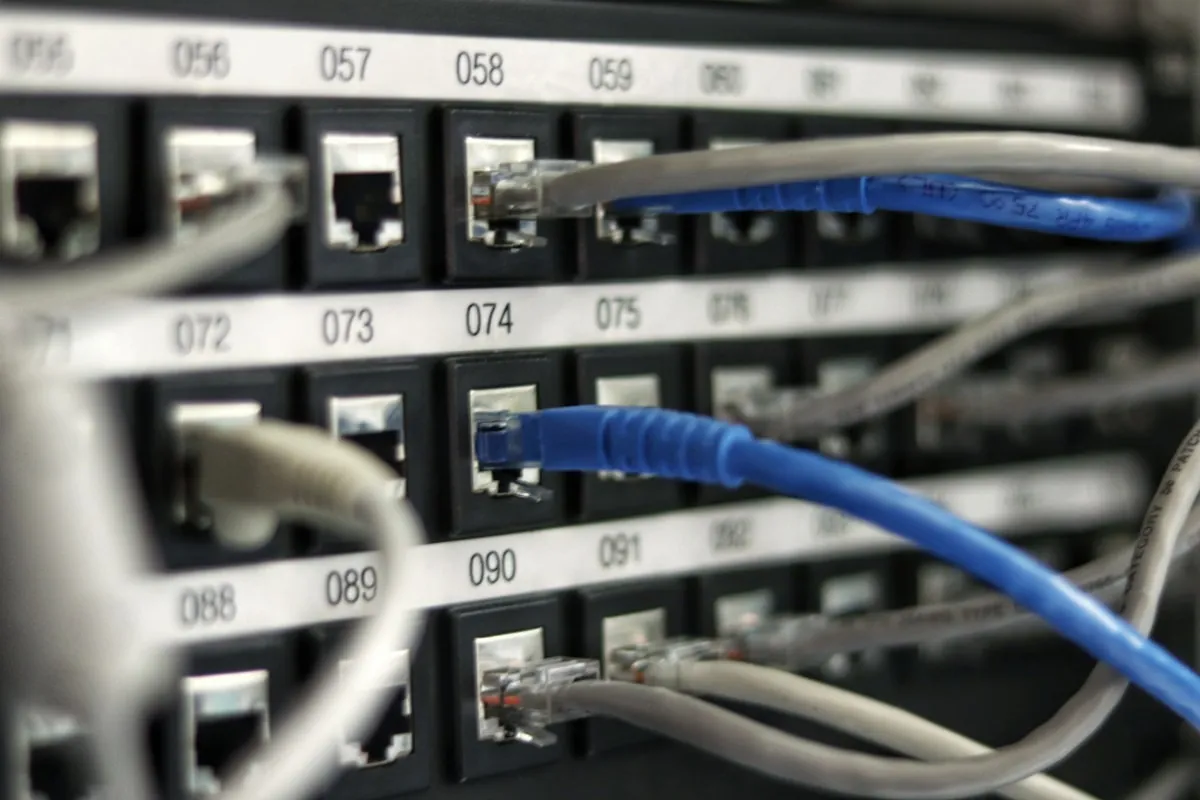
How to Self-Host Your Own Cloud Storage with Nextcloud