What the Fitbit rebrand really means for you
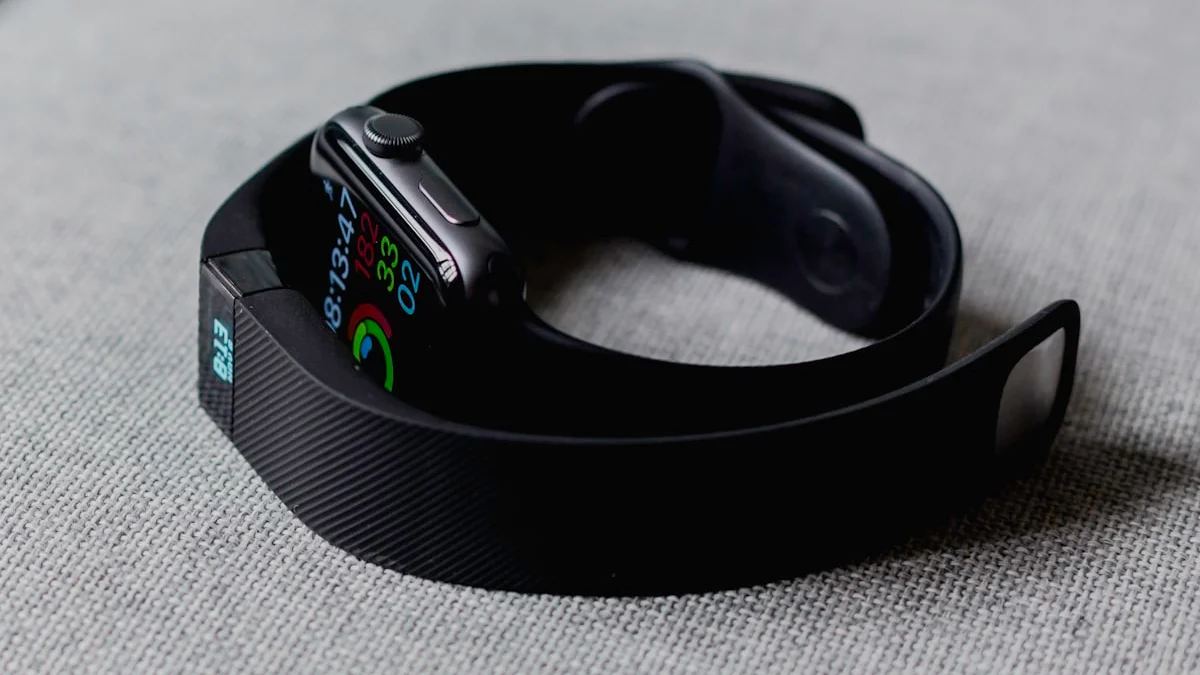
If you own a Fitbit, this is not just a new logo. Google is moving the Fitbit app into Google Health, which means your step counts, sleep patterns, heart rate trends and activity summaries will now be housed inside a broader Google wellness service.
Wired covered the change in early May 2026, and Google is selling it as a cleaner experience: one app, one dashboard, and tighter links with Google Wallet, Google Photos, and assistant-driven reminders. The real story is different. It is about health data becoming more tightly woven into Google’s existing account and identity graph.
Why health data is a sovereignty concern
Health information is a different category of data. It is more intimate than a shopping list or a newsletter subscription. When your smartwatch, fitness tracker, and health app all feed into the same company, the danger is that you lose control over how that profile is built, shared, and reused.
Here are the main risks:
- Graph expansion: Fitbit signals become another input to Google’s broader profile of your identity, location, habits, and preferences.
- Feature dependency: Google may make new health features available only inside Google Health, nudging users to remain locked into the ecosystem.
- Search and advertising overlap: Even if Google says health data will not be used for ads, the underlying architecture remains the same company that builds ad profiles across its services.
- Data portability friction: Exporting or moving your wellness data to a rival service becomes harder once it is woven into Google Health’s account structure.
The rebrand is not inherently malicious, but it is a reminder that “convenience” often means less choice.
The Vucense warning
Health data is not just another signal. It is a proxy for your rhythms, your vulnerabilities, and your most private behaviors. When Google consolidates Fitbit into Google Health, it is expanding control over a new sovereignty domain: personal wellness.
Vucense believes the most sovereign health systems are built on local-first storage, interoperable exports, and separate identity paths that do not require a full Big Tech account. The safest health stack is one that lets users choose whether their metrics live in a Big Tech graph or a user-controlled wellness platform.
What users should watch for
As Fitbit moves into Google Health, here are the things you should read carefully:
- Consent dialogs: Is Google asking for new health and activity permissions? Are those permissions broken down, or are they shoved into a single accept/reject prompt?
- Default settings: Does Google turn on sync across other services by default, or do you have to actively opt in?
- Data sharing policies: Watch for wording that expands sharing with Google Cloud, Google Photos, or third-party wellness partners.
- Account binding: Can you use Google Health with a separate identity, or does it force everything into your main Google account?
If your goal is to keep wellness data separate, the safer move is to choose self-hosted or privacy-first health apps that do not rely on a single company-owned graph.
A few privacy-first alternatives include apps that support local storage and exportable health formats, or wearable platforms that separate device data from a central identity system.
What to do now
- Review Google Health and Fitbit privacy settings once the rebrand is live.
- Export your Fitbit data before the transition and keep a copy outside the Google ecosystem.
- Turn off any automatic sync to other Google services unless you explicitly want it.
- Look for alternatives that let you manage health data with a separate identity or local export.
What this means for wearable users
For people who already wear Fitbit devices, the app experience will likely feel more polished and deeply connected to Google’s broader services. That can be useful for features like automated activity detection or cross-device health reminders.
But it also means the path away from Google becomes narrower. A neutral health tracker would let you keep your data in a standalone app and export it freely. Google Health, by contrast, is designed to be another node in Google’s ecosystem.
What a sovereign health stack looks like
A truly sovereign wellness platform would offer:
- local-first storage for step counts, sleep scores, and biometric insights.
- interoperability with open export formats so users can move data freely.
- separate identity or login options that do not force a full Google account into the health flow.
- a clear privacy boundary between health metrics and advertising, analytics, or search personalization.
That is the direction Vucense wants to see: health systems that serve the person first, not the product graph.
A better future for health data
A more sovereign approach to wellness tracking would include:
- Open export standards for heart rate, sleep, and activity data.
- Separate login/identity options that do not require a full Google account.
- Local-first storage for sensitive health metrics, with optional cloud sync controlled by the user.
- Clear boundaries between health features and advertising/identity systems.
Until then, users should treat the Fitbit → Google Health rebrand as a privacy signal, not just a new logo.
Related Articles
- UK AI Self-Diagnosis: Protect Your Health Data Sovereignty
- AI for Longevity: Can Personalized Algorithms Extend Our Lifespan?
- Smart Rings vs Smart Watches: Which Wearable Is Better for Sleep Tracking?
Sources & Further Reading
- Wired: “Google is rebranding the Fitbit app to Google Health” (May 2026)
- Google Health privacy policy updates and Fitbit data export guidance
- Vucense guidance on sovereign health data and local-first wellness systems
- Independent privacy audits of health and wearable data centralization
Direct answer: is Google Health just Fitbit with a new name? Yes. The rebrand signals that Fitbit is being folded into a wider Google health ecosystem, which centralizes your wellness data under Google’s account and product graph. That makes the move important for anyone who cares about keeping health data independent of Big Tech.